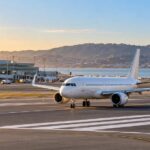
October is the right time to organize Bay Area holiday transportation. Calendars begin filling with company celebrations, family visits, seasonal events, and year-end trips, while daylight grows shorter and rainy weather becomes more likely. A simple transportation plan can reduce uncertainty without turning every outing into a rigid schedule.
Whether you are meeting relatives at SFO, coordinating a team dinner in San Francisco, arranging a group trip from Silicon Valley, or planning a winter visit to Napa or Sonoma, the same principles apply: confirm the itinerary early, match the vehicle to the passengers and luggage, and leave room for Bay Area traffic.
Why holiday transportation needs earlier planning
The weeks from late November through New Year’s combine several kinds of demand. Airport passenger volumes rise around school breaks and major holidays. Downtown hotels, restaurants, theaters, and event venues host more gatherings. Weekend Wine Country traffic can overlap with seasonal tourism, and rain or fog can slow travel on bridges and regional highways.
Private transportation is most useful when the trip has consequences beyond simply getting from one address to another. Examples include collecting an arriving guest who does not know the region, moving a group that should arrive together, reaching an early flight, or keeping a multi-stop evening on track. Start by identifying those high-priority trips rather than trying to reserve every ride at once.
Build the itinerary around fixed times.
Begin with the times that cannot move: a flight departure, dinner reservation, performance, ceremony, meeting, or tasting appointment. Work backward from each fixed time and add separate allowances for loading, traffic, parking or venue access, and walking from the drop-off point.
For airport departures
Use the airline’s recommended airport arrival window as the anchor, then calculate the drive from the actual pickup address. A departure from San Francisco, Oakland, Marin, the Peninsula, or San Jose can have very different traffic patterns. Include time for everyone to be downstairs, load bags, collect children or older travelers, and handle possible rain. The planning approach in How Early Should You Leave for SFO? offers a useful starting checklist.
For airport arrivals
Share the airline, flight number, arrival date, passenger phone number, and baggage plan. International arrivals at SFO can require extra time for immigration and customs. At SFO, OAK, or SJC, confirm how the passenger will connect with the driver after landing and where the pickup is expected to occur. If Oakland is part of the itinerary, review the OAK Airport to San Francisco guide for route and pickup considerations.
For events and dinners
Ask the venue about loading zones, valet operations, street closures, and the best entrance for private vehicles. In dense parts of San Francisco, the address on an invitation may not be the most practical pickup point. Choose a well-lit meeting location that the entire group can identify, and designate one person to communicate any changes.
Match the vehicle to people and belongings.
Passenger count is only one part of vehicle selection. Holiday travelers often carry checked bags, gifts, winter coats, strollers, presentation materials, or mobility aids. A vehicle that technically seats the group may not hold everything comfortably.
- Count adults and children separately, and note any child-seat needs in advance.
- Estimate checked bags, carry-ons, garment bags, strollers, and bulky gifts.
- Tell the transportation provider about mobility considerations or assistance needs.
- For colleagues or clients, decide whether space to work or talk matters privately.
- For multiple pickups, confirm whether the extra stops still fit the event timeline.
For a larger gathering, compare one group vehicle with several coordinated cars. Keeping everyone together can simplify communication, while separate vehicles may suit guests arriving from different parts of the Bay Area. The best choice depends on addresses, timing, luggage, and how important a shared arrival is.
Plan for Bay Area traffic and winter weather
Holiday traffic is not limited to weekday commute hours. Shopping areas, entertainment districts, bridges, and airport approaches can become busy at unusual times. Highway 101, Interstate 280, Interstate 80, the Bay Bridge, and routes through the East Bay or South Bay can change quickly after a collision or during heavy rain.
Avoid building an itinerary that depends on perfect conditions. Use realistic buffers, especially for bridge crossings or trips between San Francisco and Silicon Valley. Check major event calendars and venue notices a few days before travel. On the day, keep passenger phones charged and make sure the reservation includes a reachable contact.
Rain also changes the pickup itself. Covered entrances may become crowded, curb space can disappear, and loading takes longer when passengers have umbrellas and extra layers. Agree on a precise pickup point before the group leaves the building.
Organize airport pickups for visiting family.
When relatives visit the Bay Area, send them a short arrival note before they travel. Include the airport, terminal or airline, the transportation contact, and the expected communication process after landing. Remind them not to leave a secure baggage area until every checked bag has arrived.
If the guests are staying in San Francisco, consider the complete first-day plan. A direct transfer to the hotel may be best after a long flight. If they are continuing to Marin, the East Bay, San Jose, or Wine Country, share the longer drive time beforehand and schedule food or rest stops when appropriate. Limo Classic’s airport transfer service can be arranged for SFO, OAK, and SJC itineraries.
Structure group and corporate events clearly
For a company celebration, client dinner, conference reception, or private holiday event, create one transportation sheet with the date, passenger names, mobile numbers, pickup addresses, destination, reservation time, and return plan. Mark which details are confirmed and assign one coordinator.
- Group nearby pickups when it does not create excessive detours.
- Set a firm passenger-ready time that is earlier than the vehicle departure time.
- Provide the venue’s transportation instructions to the driver or dispatcher.
- Decide whether the return is fixed, flexible, or split into multiple departures.
- Share updates through one coordinator to avoid conflicting instructions.
If you are planning a larger gathering, the San Francisco event transportation guide covers guest lists, vehicle coordination, and venue access in more detail.
Keep Wine Country days comfortable, not crowded.
A holiday-season Napa or Sonoma itinerary benefits from restraint. Shorter daylight, cool mornings, possible rain, and appointment-based tastings make an overfilled schedule frustrating. Choose a primary area, limit long backtracking between valleys, and allow time for lunch.
Confirm each winery’s reservation requirements, group policies, and closing time. Share the complete itinerary with the transportation provider, including lodging and dinner plans. If the group begins in San Francisco or near an airport, consider whether luggage will remain in the vehicle and disclose the amount in advance.
How far ahead should you book?
There is no single booking deadline for every trip. Lead time depends on the date, route, group size, vehicle type, and how many stops are involved. As a practical rule, begin requesting options once flights, venues, or major reservations are confirmed. Larger groups, holiday weekends, early-morning airport runs, and multi-vehicle events generally deserve earlier attention.
Before accepting a quote, review the date, local pickup time, all addresses, passenger and luggage counts, vehicle type, contact information, and cancellation or change terms. Reconfirm the final itinerary after flights or event schedules change.
A simple holiday transportation checklist
- Confirm fixed times, addresses, and reservation names.
- List every passenger, bag, and special requirement.
- Add realistic buffers for traffic, weather, and loading.
- Choose one group coordinator and one reachable backup contact.
- Send airport passengers clear pickup instructions before departure.
- Recheck flight status, venue access, and road conditions on the travel day.
Plan the ride before the calendar fills.
Good holiday transportation planning is mostly about removing preventable surprises. A clear itinerary, suitable vehicle, realistic timing, and one communication plan can make airport transfers, business gatherings, family visits, and Wine Country days easier for everyone involved.
For help coordinating a Bay Area itinerary, contact Limo Classic or request a quote with the date, passenger count, pickup locations, destination, luggage details, and any fixed event or flight times.